🔧 The Ultimate Guide to Pull-Out Torque Testing Precision Meets Reliability ⚙️
In the fast-paced world of engineering and manufacturing, precision isn’t just a buzzword—it’s the backbone of quality. When it comes to ensuring the durability and performance of mechanical assemblies, **pull-out torque testing** stands as a critical process. But what exactly is it, and why should your business care? Let’s dive deep into the nuts and bolts of this essential testing method and explore how it can elevate your product’s reliability. —– ### UNDERSTANDING PULL-OUT TORQUE TESTING Imagine assembling a complex machine, only to discover that a critical fastener fails under stress. The consequences could range from costly recalls to compromised safety. This is where pull-out torque testing shines. This method measures the torque required to withdraw a threaded fastener (like a screw or bolt) from a material, simulating real-world forces to ensure components stay securely in place. 📌 **Why Does This Matter?** In industries like automotive, aerospace, and construction, even a minor failure can lead to catastrophic outcomes. Pull-out torque testing acts as a safeguard, validating that fasteners can withstand operational stresses without loosening or breaking. —– ### THE SCIENCE BEHIND THE TEST At its core, pull-out torque testing evaluates two key factors: 1. **Material Strength**: How well the base material (e.g., metal, plastic, or composite) resists deformation when force is applied. 2. **Thread Engagement**: The interaction between the fastener’s threads and the material it’s embedded in. By replicating real-world conditions—such as vibration, temperature fluctuations, or dynamic loads—the test identifies weak points before they become failures. 🔬 **Case Study**: A leading automotive manufacturer reduced warranty claims by 40% after integrating pull-out torque testing into their quality control process. Their secret? Identifying suboptimal thread designs early in production. —– ### APPLICATIONS ACROSS INDUSTRIES Pull-out torque testing isn’t a one-size-fits-all solution. Its versatility makes it indispensable in diverse sectors: 🚗 **Automotive** From engine components to chassis assemblies, every bolt must endure constant vibration and thermal expansion. Testing ensures longevity and safety. ✈️ **Aerospace** In an industry where weight and strength are paramount, fasteners must hold firm under extreme pressures. Compliance with standards like AS9100 is non-negotiable. 🏗️ **Construction** Structural integrity hinges on reliable fasteners. Testing guarantees that beams, joints, and fixtures remain secure over decades of use. —– ### BENEFITS OF INVESTING IN PULL-OUT TORQUE TESTING Why allocate resources to this specific testing method? The ROI speaks for itself: ✅ **Risk Mitigation**: Catch design flaws early, avoiding recalls and reputational damage. ✅ **Cost Savings**: Reduce waste by optimizing material and fastener selection. ✅ **Compliance**: Meet stringent industry regulations with documented test results. ✅ **Customer Trust**: Deliver products that perform as promised, every time. 💡 **Pro Tip**: Pair pull-out torque testing with digital analytics tools. Real-time data tracking can reveal trends and improve iterative design processes. —– ### HOW TO CHOOSE THE RIGHT TESTING EQUIPMENT Not all torque testers are created equal. Here’s what to prioritize: 1. **Accuracy**: Look for equipment with ±1% or better measurement precision. 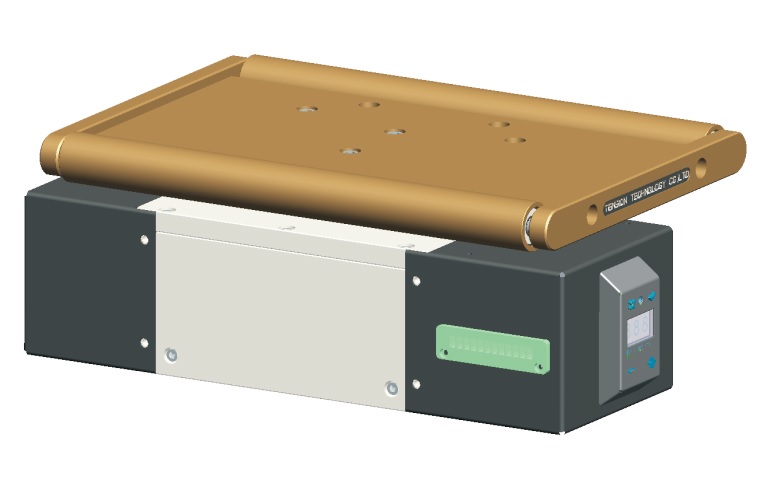 2. **Versatility**: Ensure compatibility with various fastener sizes and materials. 3. **User-Friendly Software**: Intuitive interfaces streamline data collection and reporting. 4. **Durability**: Industrial-grade components withstand heavy daily use. 🛠️ **Industry Insight**: Modular systems are gaining popularity, allowing businesses to upgrade sensors or software without replacing entire units. —– ### FUTURE TRENDS IN TORQUE TESTING The future of pull-out torque testing is smarter, faster, and more integrated. Emerging innovations include: 🌐 **IoT Integration**: Wireless sensors transmit data to cloud platforms for instant analysis. 🤖 ** hysteresis brake **: Robotic arms conduct tests with minimal human intervention, boosting efficiency. 📊 **AI-Driven Predictive Modeling**: Machine learning algorithms forecast failure points based on historical data. These advancements aren’t just futuristic—they’re reshaping quality assurance today. —– ### FINAL THOUGHTS: WHY YOUR BUSINESS CAN’T AFFORD TO IGNORE PULL-OUT TORQUE TESTING In a competitive market, cutting corners isn’t an option. Pull-out torque testing is more than a quality check—it’s a strategic investment in your product’s lifespan and your brand’s credibility. Whether you’re designing the next-generation electric vehicle or assembling industrial machinery, this testing method ensures your components won’t just meet standards—they’ll exceed them. 🔧 **Take Action Now**: Audit your current testing protocols. Could a deeper focus on torque testing unlock new levels of reliability for your products? —– Ready to elevate your quality control game? Contact our experts today to explore tailored pull-out torque testing solutions that align with your needs. Let’s build a safer, stronger future—one fastener at a time. 🚀